




Description
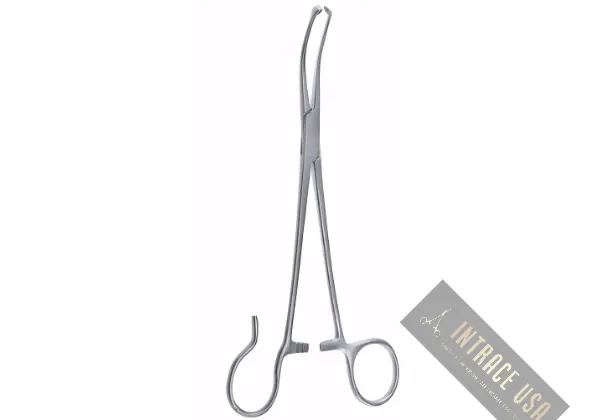
Colver Tonsil Seizing Forceps
Colver tonsil seizing forceps grip the tonsil and let the surgeon draw it out of its fossa. This traction shows where to cut or dissect during tonsillectomy.
A straight seizing pattern
Unlike the curved patterns, the Colver design is straight. So the jaws line up directly with the shaft. Some surgeons find that this straight line gives easy control from the front of the mouth.
18 cm long
We stock the Colver pattern at 18 cm. That makes it a little shorter than our 20 cm seizing forceps. As a result, it may suit smaller mouths or surgeons who like a compact grip.
Role in the procedure
The surgeon grasps the upper pole or body of the tonsil. Then they pull it medially while a dissector separates the capsule. Also, the grip helps when the snare goes on at the end.
How to decide
If you prefer a straight shaft, then the Colver tonsil seizing forceps are the obvious pick. However, if you want a curve, look at the White, Museux or Blohmke patterns. Many trays hold one of each style.
Caring for your Colver forceps
Rinse the jaws with water right after surgery. Next, brush them open, paying attention to the joint. Then dry the Colver tonsil seizing forceps and sterilize them.
Colver forceps specifications
- Colver-pattern grasping forceps
- Straight shape at 18 cm
- Stainless steel
Ordering Colver forceps
We stand behind Colver forceps with a three-year warranty against any Colver workmanship defect. In addition, our Atlanta office hand-checks the straight jaws before shipping. The buyer FAQ explains ordering and payment. We consider ASTM F899 when picking Colver steel. For a curved 18 cm option, see the White tonsil seizing forceps. Or explore our ENT instrument department.
Colver forceps are for professional use. Our care guide for tonsil tools covers straight forceps photos and the nickel question. Delivery times sit on the shipping lead time page covers delivery.
Reviews
There are no reviews yet.